
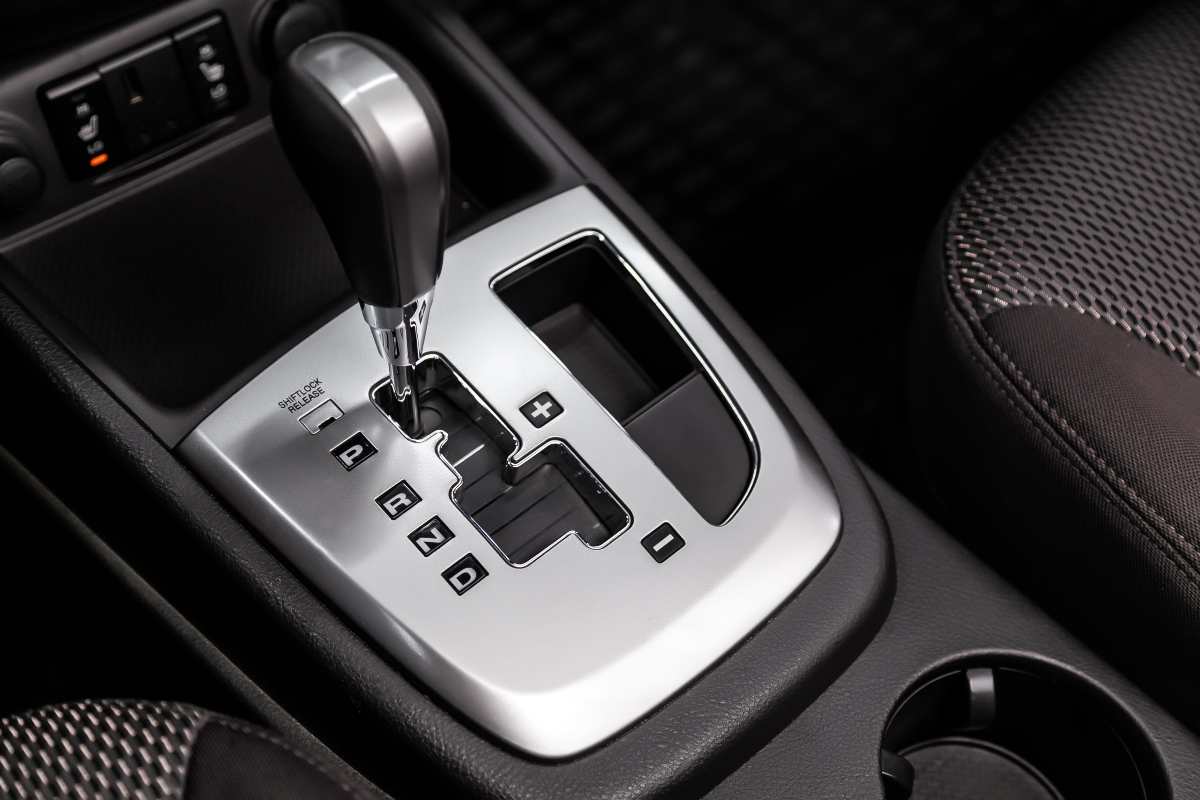
Transmission fluid plays a pivotal role in operating a vehicle’s manual gearbox. Serving as a lubricant prevents the grinding down of bearings and metal components during their motion. In the case of automatic transmissions, the fluid not only greases the moving parts but also facilitates hydraulic pressure and friction, ensuring the smooth functioning of internal components. Furthermore, transmission fluid helps maintain an optimal temperature within the UAE’s manual and automatic transmission fluid.

Shifting gears places considerable strain on a vehicle, making transmission fluid indispensable in enabling seamless shifts while preserving the integrity of its parts. At the same time, manual transmission oil has been an integral aspect of automobiles since their inception. But after the inception of automatic transmission fluid, it played a vital role in the automotive industry. It is crucial to note that automatic transmission fluid differs from manual one. While the former is exclusively used in automatic vehicles, the latter is employed in manual transmissions where the clutch and shifter are involved in gear shifts.
Various types and qualities of transmission fluid exist, making it prudent to consult your owner’s manual or a trusted auto technician when selecting the appropriate fluids for your vehicle.
Decoding the Appearance of Healthy Transmission Fluid
Distinct from engine oil, synthetic automatic transmission fluid possesses its own unique color and odor. Regardless of the type of transmission your car has, regular maintenance is paramount. To delve deeper into this subject, read on.
For many drivers, the health of transmission fluid rarely occupies their thoughts when considering car maintenance. Tasks such as oil changes, brake pads, and new tires take precedence. However, transmission services are equally vital for the well-being of your vehicle. Understanding how to uphold a healthy transmission and engaging in proactive measures to ensure its optimal performance can prominently extend the lifespan of your car.
If Your Vehicle Boasts an Automatic Transmission
Inspecting transmission fluid in an automatic transmission is typically a straightforward process. Your car should have a separate dipstick dedicated to the transmission, distinct from the one for checking oil levels. However, the method for checking transmission fluid mirrors that of examining oil levels. Extract the dipstick, observe the consistency of the fluid, wipe it clean, reinsert it, and then remove it again to gauge the level. Ideally, the fluid should reach the “full” line on the dipstick. Should the fluid fall short, consider topping it off or consulting a mechanic.
If You Own a Manual Transmission Vehicle
Manual transmission cars are less likely to feature a dipstick for checking fluid consistency and level. Instead, you would need to elevate your car using a jack and locate the fluid fill plug. Due to a lack of appropriate tools, this process might prove challenging or even impossible for many car owners. In such cases, visiting a mechanic to have the transmission fluid checked is the most practical course of action.
Synthetic vs. Traditional Transmission Fluid
While traditional transmission fluid is derived from crude oil and undergoes various hydrocarbon modifications to meet different vehicle specifications, synthetic transmission fluid is the product of distinct chemical reactions. The latter variant is less prone to breaking down, oxidizing, or thinning out under high temperatures.
Choosing between traditional and synthetic transmission fluid is only sometimes a straightforward decision. It is crucial to consult the specifications provided by your vehicle’s manufacturer. When in doubt, seek the advice of a transmission specialist.
Recognizing Symptoms of Low Transmission Fluid
How can one identify signs of low transmission fluid levels? The following key indicators merit attention and automatic transmission fluid specifications:
- Puddles: The formation of puddles beneath your car suggests a transmission fluid leak.
- Color: Transmission fluid transitioning from a light, clear hue (often red, although it may vary in certain vehicles) to a darker brown or muddy green shade can signify the need for a fluid change.
- Roaring sounds: Acceleration accompanied by roaring noises or encountering such sounds while navigating corners may indicate a transmission issue. Additionally, low fluid levels can give rise to whining or buzzing sounds.
- Chattering: When a vehicle exhibits a chattering sensation during takeoff, it often points to low transmission fluid. This sensation resembles driving over a rumble strip.
- Warning light: Modern-day cars are equipped with technology that alerts drivers to potential transmission issues. A dashboard light indicating high transmission temperature indicates that the transmission fluid has surpassed the desired heat threshold. Remember that the check engine light can also illuminate if there is a transmission problem, not solely an issue with the engine.
- Difficulties when shifting: Delays when engaging gears or encountering problems such as slipping, sliding, bumps, and unusual noises during gear shifts are indicative of potential transmission fluid problems.
- Odor: The presence of a slight burning smell, particularly if it exhibits an unusual tartness, can signify transmission fluid issues.
- Transmission slipping or engine revving during cornering: These occurrences suggest low fluid levels, insufficient to submerge fluid pick-up in the pan.
Consult your owner’s manual to locate the dipstick and ascertain the optimal fluid levels. In certain later-model vehicles, however, the absence of a dipstick necessitates seeking professional assistance, as a professional technician can examine the fluid by hoisting the vehicle on a lift.
Essential Tips for Changing Automatic Transmission Fluid
Changing your transmission fluid can help maintain smooth gear shifts, support efficient transmission performance, and potentially extend the service life of the transmission. Transmission fluid performs several important functions, including lubricating internal components, reducing friction, helping control heat, and supporting the hydraulic and friction requirements of automatic transmissions. Over time, the fluid can become contaminated or its performance can gradually decline due to heat, friction, and normal operating conditions. Replacing the fluid at the appropriate interval can help maintain the properties required for reliable transmission operation.
The recommended transmission fluid change interval can vary significantly depending on the vehicle, transmission design, driving conditions, and manufacturer’s maintenance schedule. While some manufacturers may recommend extended service intervals, including intervals around 150,000 miles for certain applications, this should not be treated as a universal recommendation for every vehicle. Some vehicles may require more frequent servicing, particularly when they are used for towing, heavy loads, frequent stop-and-go driving, extreme temperatures, or other demanding conditions. Following the maintenance schedule specified for the particular vehicle is therefore essential.
The choice of transmission fluid also depends on the vehicle’s make, model, year, and transmission type. Different automatic transmissions can require different fluid formulations and performance characteristics. Conventional automatic transmissions, CVTs, and dual-clutch transmissions may have different fluid requirements, and using an incorrect product can affect shifting, lubrication, heat management, and component protection. For this reason, transmission fluid should never be selected based only on viscosity, price, or general compatibility claims.
The vehicle owner’s manual is one of the most important references. When determining which transmission fluid to use and when it should be changed. Manufacturers specify particular fluid standards, specifications, approvals, or product requirements. To ensure that the fluid is suitable for the transmission’s design. Before purchasing or replacing the fluid, it is important to verify that the selected product meets or exceeds the required specification.
Here are some signs indicating the need for a fluid change:
1. Dirty transmission fluid
2. Transmission whining noise
3. Gears slipping
4. Inability to engage reverse gear
5. Slipping out of gear
6. Engine running hot
7. Grinding noise
In addition to getting the details of changing the automatic transmission fluids and their prices in UAE, search a local store or ask the supplier.
Leave a Reply